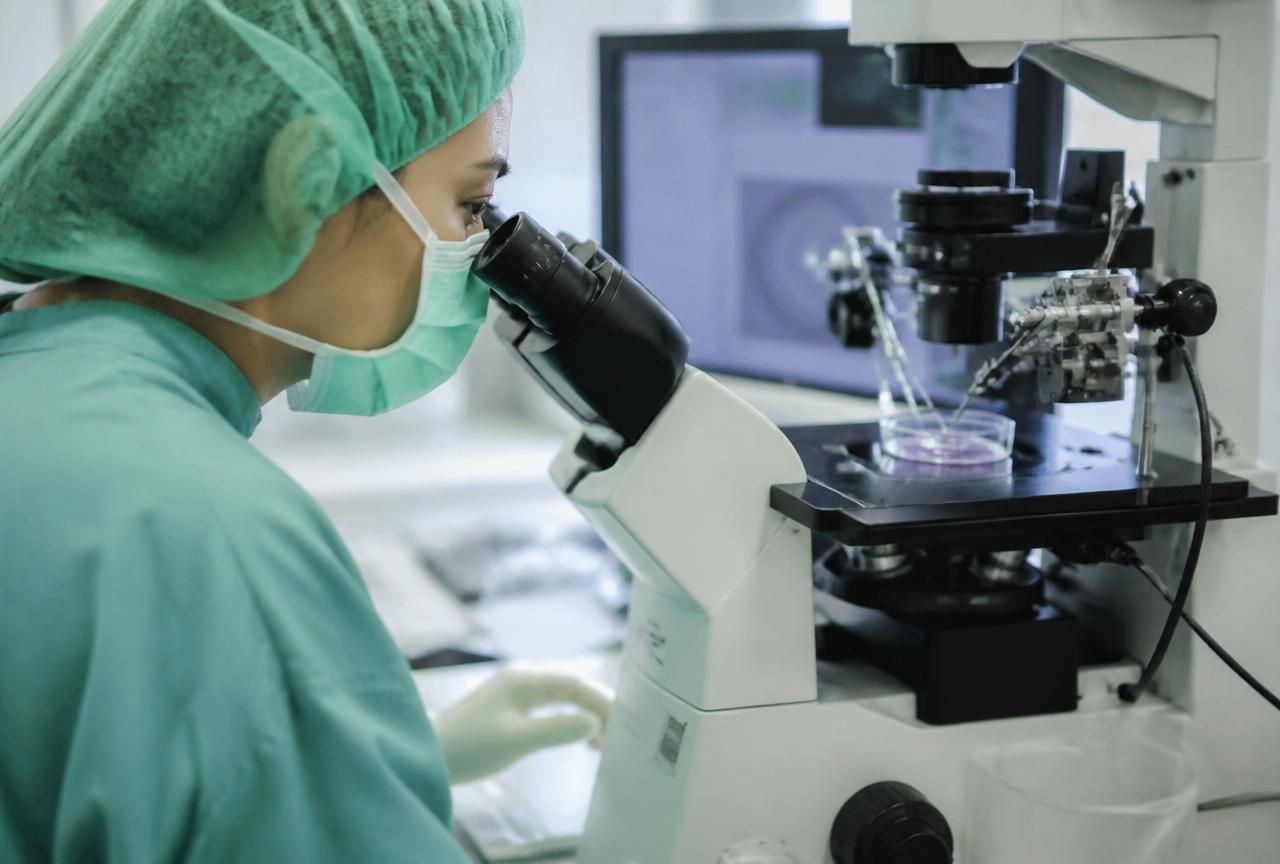
Egg donation begins with screening rather than needles. Donors complete a health and family history questionnaire, a physical examination, hormone and infectious-disease bloodwork, and an ultrasound to count resting follicles. Counselling is part of this stage too, so that the decision is made with full information and no pressure.
Once cleared, a donor takes hormone injections for roughly ten to twelve days so that several follicles mature at once instead of the usual single egg. Clinic visits every few days track progress by ultrasound and bloodwork, and the dose is adjusted to keep stimulation gentle and safe.
Retrieval itself is a short procedure under sedation, typically fifteen to twenty minutes. A fine needle guided by ultrasound collects fluid from each follicle. Most donors rest for a few hours and return to normal activity within a day or two, with mild bloating or cramping being the most common after-effect.
Donating does not use up your future fertility. The eggs collected come from the group your body was going to release or reabsorb during that cycle anyway. Serious complications such as significant ovarian hyperstimulation are uncommon in well-monitored programmes.
Every FertilEus donor is matched only with clinics we have verified, and legal expectations around anonymity, compensation and consent are documented before any medication begins.
Ready to take the next step?
Our fertility specialists are here to help you understand your options and create a personalised plan.
Schedule a consultation