**Reproduction, Fertility, and Development: A Comprehensive Overview**
Reproduction is a complex process that involves the creation of a new individual through the fusion of male and female gametes (sperm and egg). Fertility is the ability to produce offspring, and it is influenced by a combination of genetic, hormonal, and environmental factors. In this article, we will delve into the intricacies of reproduction, fertility, and development, providing a comprehensive overview of the process.
**The Reproductive System**
The human reproductive system consists of two main components: the male reproductive system and the female reproductive system.
**Male Reproductive System:**
* The male reproductive system produces, stores, and delivers sperm for fertilization.
* The components of the male reproductive system include:
+ Testes: Produce sperm and testosterone.
+ Epididymis: Stores sperm.
+ Vas deferens: Transports sperm from the epididymis to the penis.
+ Prostate gland: Produces fluids that nourish sperm.
+ Penis: Delivers sperm during ejaculation.
**Female Reproductive System:**
* The female reproductive system produces, stores, and nourishes the egg for fertilization.
* The components of the female reproductive system include:
+ Ovaries: Produce eggs and hormones.
+ Fallopian tubes: Transport eggs from the ovaries to the uterus.
+ Uterus: Supports fetal development during pregnancy.
+ Cervix: Opens to allow sperm to enter the uterus.
+ Vagina: Receives sperm during intercourse.
**The Reproductive Process**
The reproductive process involves several stages:
1. **Puberty:** The onset of puberty triggers the development of reproductive organs and the production of sex hormones.
2. **Menstruation:** In females, the menstrual cycle prepares the uterus for potential pregnancy. Hormonal fluctuations cause the uterine lining to thicken, and if no pregnancy occurs, the lining is shed, resulting in menstruation.
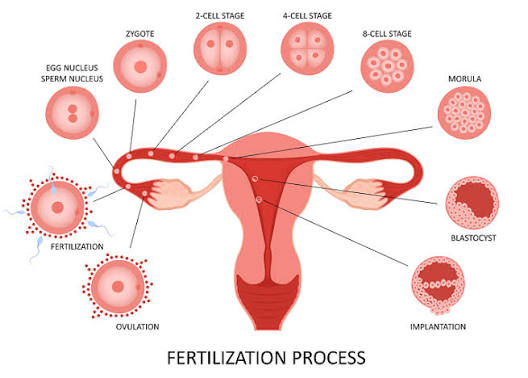
3. **Ovulation:** In females, the ovaries release an egg (ovum) into the fallopian tube, usually around day 14 of a 28-day menstrual cycle. The egg is available for fertilization for 12-24 hours.
4. **Fertilization:** When a sperm meets the egg, fertilization occurs, resulting in the formation of a zygote.
5. **Implantation:** The fertilized egg (blastocyst) implants in the uterine lining, initiating pregnancy.
6. **Pregnancy:** The developing fetus grows and develops inside the uterus, nourished by the mother's blood supply.
7. **Birth:** The fully developed fetus is delivered through the birth canal.
**Fertility Factors**
Fertility is influenced by various factors, including:
* **Age:** Fertility declines with age, especially in women over 35.
* **Hormonal balance:** Imbalances or deficiencies in hormones such as testosterone, estrogen, or progesterone can affect fertility.
* **Genetics:** Genetic disorders or chromosomal abnormalities can impact fertility.
* **Environmental factors:** Exposure to toxins, radiation, or certain medications can affect fertility.
* **Lifestyle factors:** Smoking, excessive weight, or stress can impact fertility.
**Developmental Stages**
Developmental stages occur during pregnancy, from fertilization to birth:
1. **Zygote:** The fertilized egg (zyg
Ready to take the next step?
Our fertility specialists are here to help you understand your options and create a personalised plan.
Schedule a consultation
Edit Comment